New to Swinging? A Beginner’s Guide to Getting Started
Honest advice on communication, boundaries, and building trust in the swinging lifestyle
By Find Swingers · Published 19 March 2026
If you’re curious about the swinging lifestyle but don’t know where to start, you’re not alone. Thousands of couples and singles explore swinging each year, yet few feel confident about how to begin. The good news is that swinging can be genuinely fulfilling when it’s approached with honesty, clear communication, and mutual respect.
What is Swinging and Who Does It?
Swinging is when couples or singles consensually engage in sexual activity with other people. Some couples watch each other with another couple or singles; others prefer to swap partners for a time; some simply enjoy the social atmosphere of swinging events without any sexual contact at all. There’s no single "right way" to swing, and that’s part of its appeal.
The modern swinging community is more diverse than many people realise. A 2023 survey by researchers at the University of Kentucky found that around 11 percent of couples in the United States have tried some form of non-monogamy, with swinging being one of the most common arrangements. In the UK, swinging communities are thriving across major cities, with private events, clubs, and online platforms creating spaces where people can explore safely.
Are You Both Actually Ready?
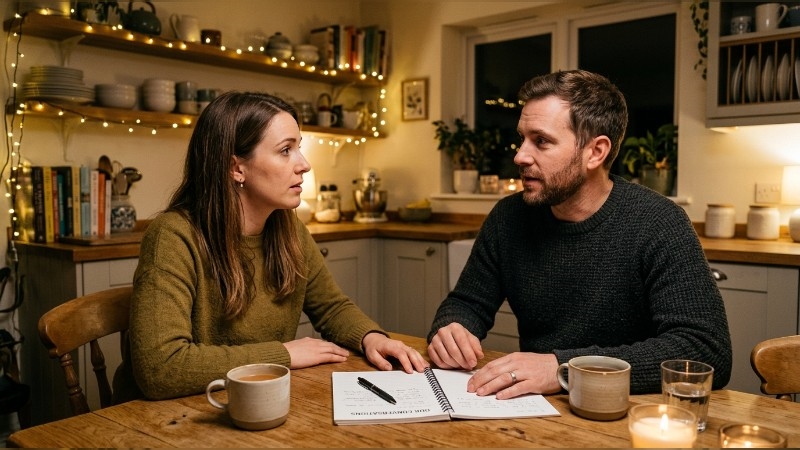
Before anything else, have an honest conversation with your partner. This isn’t a quick chat over dinner; it’s a series of conversations that unfold over weeks or even months. One of you might be enthusiastic while the other is curious but nervous. That’s normal. The key is ensuring both partners genuinely want this, not just one person persuading the other to try something they’re uncomfortable with.
Real couples who swing successfully will tell you that jealousy is nearly always part of the picture. It’s not a sign of failure or that swinging isn’t for you; it’s simply a human emotion. What matters is how you both respond to it. You’ll need to be willing to pause, check in with each other, and sometimes slow things down or stop entirely if either partner feels uncomfortable.
Setting Boundaries That Actually Work
Boundaries are your roadmap. They’re not restrictions imposed by one partner on another; they’re agreed-upon guidelines that both of you create together. Without them, you’re likely to find yourselves in situations that feel wrong or lead to regret.
Talk through specific scenarios. What activities are off limits? Only playing in the same room? There are no universal right answers here; your boundaries are yours alone. But they need to be explicit. Vague agreements like "we’ll figure it out" tend to unravel in the moment.
Your boundaries might evolve over time. After your first experience, you might realise something that sounded fine in theory feels uncomfortable in practice. That’s okay. Come back together, revise, and try again. Swinging is a journey, not a single event.
The Communication Foundation
If there’s one skill that separates couples who enjoy swinging from those who find it stressful, it’s communication. You need to be able to talk about desire, insecurity, fantasy, and disappointment without judgment.
Start now, before you encounter your first potential play partner. Practice discussing attraction to other people. Can you tell your partner if you find someone attractive without that triggering jealousy or anger? If you can’t, swinging probably isn’t the right fit. If you can, you’ve already mastered one of the hardest parts.
Safety and Practicalities
Swinging carries the same sexual health considerations as any other sexual activity, plus a few unique logistical ones. Get tested for STIs before you start playing. Use condoms. Be cautious about who you share your real identity with online.
Practically, think through location. Will you play at home or somewhere else? In the UK, there are well-established clubs with professional security and health protocols. Do your homework.
Have a safety word or signal that either of you can use to pause or stop play. "Red" or simply saying "stop" is fine, but both partners need to understand and respect it instantly.

Finding People and Online Spaces
Most people start online. Swinging platforms, dating apps, and community forums are where you’ll meet like-minded people. Platforms like Find Swingers make it easy to create a profile, browse others in your area, and start conversations with couples or singles who interest you.
When crafting your profile, be honest about what you’re looking for. Include recent photos. Write something genuine about yourselves. Avoid lengthy wishlists of physical requirements; focus instead on attitudes and what you’re seeking in terms of experience.
Before meeting anyone in person, have video calls. You want to confirm compatibility in conversation. Some experienced swingers also meet couples in a non-sexual setting first to build comfort and make sure the energy is right.
Etiquette and Respect
The swinging community generally operates on a set of unwritten rules that centre on respect and discretion. Respect means honouring people’s boundaries, using condoms as agreed, and respecting "no" without argument. Discretion means keeping people’s identities private, not sharing photos without explicit permission, and understanding that many swingers want their private lives kept private.
Don’t show up to a meet-up with expectations different from what was discussed. If you agreed to soft swap, don’t push for full swap. Being reliable makes you someone other swingers want to encounter again.
When Things Go Wrong
Even with the best intentions and clearest communication, things sometimes go wrong. Someone might disrespect your boundaries, or you might find that an experience leaves you feeling hurt or regretful. That’s when your partnership becomes everything.
Come together without blame. Don’t say "I told you this would happen." Instead: "This didn’t feel good, and I want to figure out what we do differently next time." If swinging is creating ongoing tension or insecurity, it’s okay to step back or stop entirely.
Making Your First Experience Count
Your first time will be nervous and possibly awkward. That’s almost universal. Many experienced swingers say their best encounters came after their first few attempts, once they’d relaxed into the reality of it rather than the fantasy.
Keep that first experience simple. Maybe it’s soft swap with one other couple in a private setting. Maybe it’s a visit to a well-reviewed club just to observe. There’s no "ideal" first time; the ideal is whatever you both feel ready for.
Afterwards, be kind to yourselves. Some couples find they want to do this again immediately; others need months before they’re ready. Both responses are fine. Listen to what you’re feeling, check in with your partner, and let your next steps emerge from genuine desire rather than momentum.
If you’ve read this far, you’re already taking the first step: thinking seriously about what swinging means and whether it’s right for you. That’s exactly how it should start. The couples and singles who build the most positive swinging experiences are the ones who approach it thoughtfully, communicate openly, and respect boundaries fiercely.
When you’re ready to explore further, platforms like Find Swingers offer a welcoming community of experienced swingers and curious newcomers alike. You’ll find people at every stage of the journey, many of whom remember being exactly where you are now. Start the conversation with your partner today. Take your time. Set clear boundaries. And when the moment feels right, take that first step with confidence.